How Can Music Programs Help My Child with Disability Build Confidence?
By: gfcdev
January 19, 2026
Answering: How Can Music Programs Help My Child with Disability Build Confidence?
Estimated reading time: 10 min read
Yes, music programs can help your child with disability build confidence in Melbourne, and the outcomes are measurable. Rhythm-based learning creates instant success moments that words alone can’t deliver, giving kids immediate feedback that builds self-worth faster than traditional approaches. Based on Personalised Support Systems’s purpose-built music rooms in Nunawading and Sunbury, with owned equipment and 25+ weekly programs running since 2018, participants experience consistent skill-building that translates directly to confidence gains across Melbourne’s east and north-west corridors.
You’ve probably watched your child light up when their favourite song comes on. That response isn’t random. It’s your child communicating something important about how they connect with the world. The challenge is finding programs that harness that natural response rather than forcing your kid into a clinical box that doesn’t fit.
The reality is that music programs for disability confidence building in Melbourne work best when three things align: consistent attendance, familiar equipment, and facilitators who read your child’s needs in real time. Not every program delivers all three. Community halls with borrowed instruments and rotating staff won’t cut it. Success depends on purpose-built spaces where kids return to the same drums, the same room, the same faces week after week.
Dedicated music rooms with specialist facilitators, structured curriculum, and repeatable program delivery create the conditions where confidence actually grows. Whether you’re searching in Melbourne’s east near Nunawading or out north-west around Sunbury, this guide breaks down what works, what to look for, and how to get started.
Key Insights
- Music bypasses language barriers entirely.
- Kids communicate through rhythm before they need words, creating achievement moments that traditional therapies can’t match.
- The key is consistency: same space, same instruments, same people.
Keep reading for full details below.
Table of Contents
- Why Music Works When Words Don’t
- Real Confidence Outcomes Parents See
- Melbourne’s Music Room Advantage
- Starting Your Child’s Music Journey
- Frequently Asked Questions
- Want to Learn More?
- Citations
Why Music Works When Words Don’t
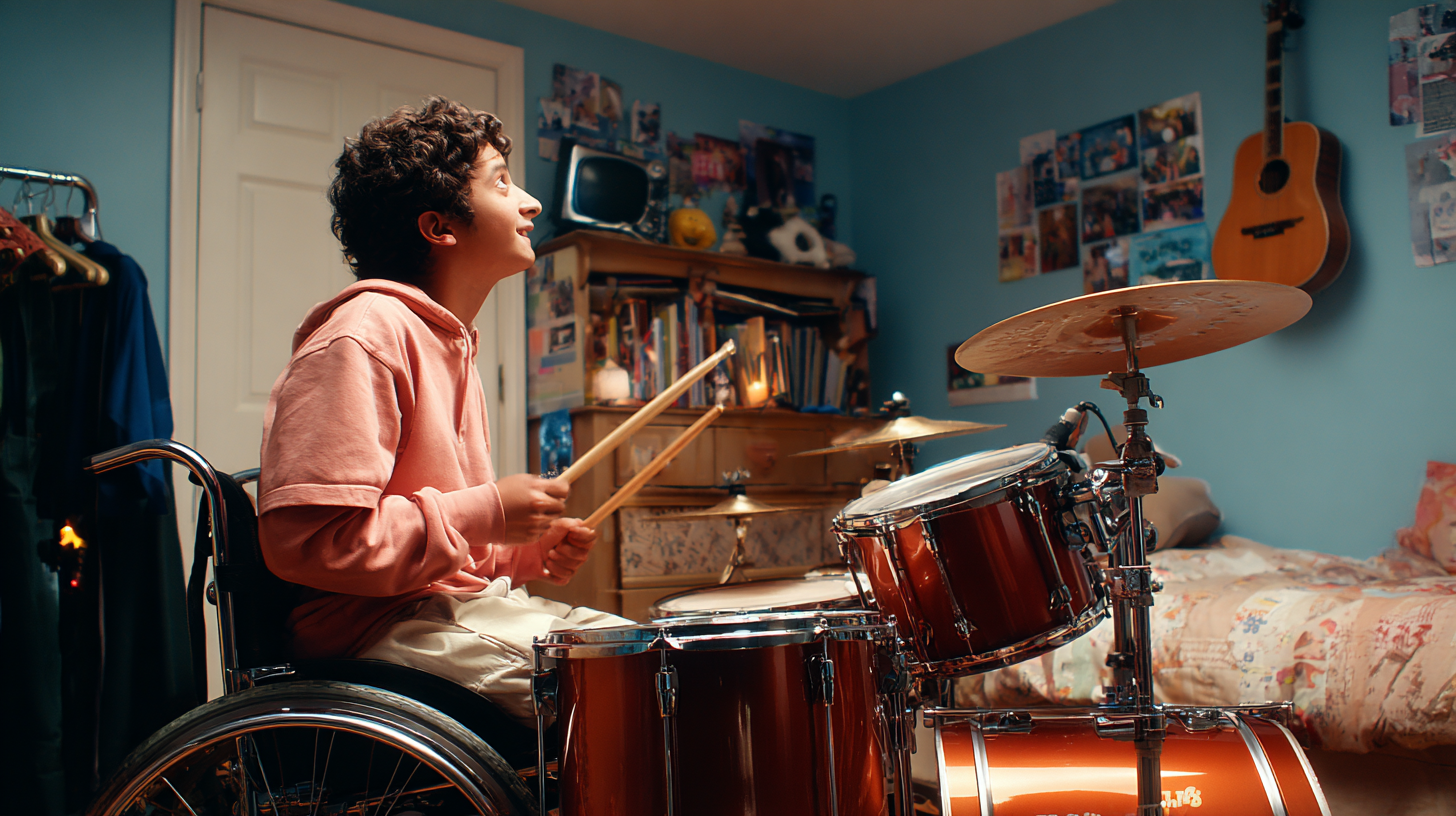
Music does something language can’t. Kids communicate through rhythm and movement instinctively, creating immediate success and feedback that builds confidence faster than speech-based therapies. When your child hits a drum and hears the sound they made, that’s instant achievement. No waiting for test results or progress reports. The feedback loop is immediate.
This matters because traditional learning often sets kids up to fail first. Get the answer wrong. Try again. Music flips that script. Hit the drum. Make a sound. You did it. That’s not a small distinction. For kids who’ve internalised failure in other settings, that immediate win changes everything.
Rhythm-based programs create natural social connection without forced interaction. Group music means kids contribute to something bigger without the pressure of direct conversation. They’re part of a band, not on the spot. Personalised Support Systems runs small groups of four to six kids specifically because that balance delivers social benefits without overwhelming anyone.
Physical coordination improves through repetitive, enjoyable movements rather than clinical exercises. Melbourne’s Nunawading and Sunbury music rooms provide owned equipment consistency week-to-week. Your child masters the same instruments rather than starting fresh each session with unfamiliar gear.
- Notice what music already engages your child and share this with potential programs to demonstrate personalisation matters from day one
- Start simple at home with basic percussion to gauge interest levels before committing to a program
Real Confidence Outcomes Parents See
NDIS recognises music’s therapeutic value and funds capacity-building programs that develop emotional regulation, communication, and self-worth. This isn’t fringe therapy. It’s formally supported, making music programs a legitimate funding avenue for Australian families seeking confidence-building supports for their children with disabilities in Melbourne.
Research confirms improved emotional regulation through structured music activities. Kids who struggle with traditional learning often excel when information is set to rhythm. Evidence shows measurable developmental gains across emotional, social, and communication domains. The science backs what parents already observe: music reaches kids differently.
Performance opportunities matter more than parents expect. Even small group showcases build genuine pride. When your child contributes to a group performance, that’s real achievement they can see and feel. Personalised Support Systems runs 25+ programs weekly across Melbourne, creating regular chances for kids to experience belonging and accomplishment in purpose-built settings.
Consistent, skilled facilitation matters more than intensity. Weekly attendance beats sporadic sessions for confidence building. Your child needs repetition to feel safe, to master skills, and to build relationships with facilitators and peers.
- Document your child’s current confidence challenges to measure progress over time and communicate goals clearly to providers
- Ask programs specifically about NDIS capacity-building alignment and how they measure emotional regulation improvements
Melbourne’s Music Room Advantage
Purpose-built music rooms in Nunawading (Melbourne East) and Sunbury (North West) mean proper acoustics, adapted equipment, and safe spaces designed for neurodiverse learners. Not adapted classrooms. Not community halls. Actual music rooms with equipment that stays put.
This consistency matters because confidence building demands regularity. Local programs running weekly with the same setup let kids progress from learning an instrument to becoming someone who plays that instrument. That’s identity formation, not just skill acquisition. With 200+ participants across both locations, scale exists without sacrificing the small-group model.
Owned equipment removes anxiety about unknown tools. Your child uses the same drum, the same keyboard, the same adapted instruments weekly. Familiarity breeds mastery. Mastery breeds confidence. It’s straightforward, but it requires investment that many programs don’t make.
Team stability matters equally. Ninety percent retention across 85+ staff at Personalised Support Systems means your child isn’t meeting new support workers constantly. Younger, energetic crew trained in disability-informed facilitation rather than just music teaching means support feels like friendship. That’s how kids learn that being themselves is OK.
- Visit music rooms during actual program times to see real interactions at either Nunawading or Sunbury locations
- Check travel times from your postcode because sustainable attendance reduces transition stress
Starting Your Child’s Music Journey
Most kids need three to four sessions to settle into a new program. Don’t judge by day one hesitation. Small group dynamics take time to feel safe. Rhythm-based learning builds music program confidence for children with disabilities gradually, not instantly.
Programs should adapt to your child, not force your child into a predetermined mould. That means adjusted instruments, paced learning, and flexibility around sensory needs. Support workers who act like older siblings read what your child needs and adjust in real time. They notice when volume is too much. They spot when a particular instrument isn’t working. They pivot without making it a big deal.
This approach models something important: peer connection where being different is normal. When support feels like friendship rather than clinical delivery, kids engage differently. They take risks. They try instruments they might have avoided. They start identifying as someone who makes music.
Your first visit is about fit, not skill assessment. Bring a simple list of your child’s triggers, preferences, and communication style. Good facilitators will show you immediately how they’ll personalise from session one.
- Book a tour during actual program times and prepare a one-page profile of your child to share with facilitators
- Start with a four to six week trial period before committing to a full term
Finding the right music program for disability confidence in Melbourne comes down to consistency, purpose-built spaces, and facilitators who genuinely connect with your child. NDIS funding supports these programs, and the evidence backs their effectiveness. Both Nunawading and Sunbury music rooms offer owned equipment and established programs ready to meet your child where they are.
For a deeper look, visit https://www.personalisedsupports.com.au/group-programs/
Frequently Asked Questions
Q: What if my child can’t play traditional instruments?
A: Music programs adapt to all abilities—no one is “not musical enough.” Adapted instruments (grips, oversized mallets, iPad music apps), movement sensors that trigger sound, voice-based percussion, and even resonance boards let every child create music. The right program starts exactly where your child is comfortable and builds from there. Research confirms that different musical modalities deliver the same confidence and regulation benefits, so your job is finding facilitators who see your child’s difference as the starting point, not a barrier.
Q: How do I know if a facilitator is qualified to work with my child’s disability?
A: Look for support workers trained in disability-informed facilitation—not just music teachers. They should understand how to read sensory needs in real-time, adjust activities on the fly, and know the difference between pushing your child forward and creating overwhelm. At Personalised Support Systems, our 85+ team members include younger, energetic support workers trained to act like older siblings rather than clinical staff. Ask programs about their team’s experience with your child’s specific disability or communication style, and watch how they interact during a trial session.
Q: How long before I see confidence changes in music programs?
A: Most kids need 3–4 sessions to settle into a new program—don’t judge by day one hesitation. Small group dynamics take time to feel safe, and rhythm-based learning builds confidence gradually. Research shows that consistent, skilled facilitation matters more than intensity, which is why weekly attendance over ad-hoc sessions works better for real confidence building. You’ll typically see shifts in emotional regulation and willingness to participate within 6–8 weeks, though genuine performance confidence and pride often emerge over 3–4 months.
Q: What’s the first step if I want to explore music programs for my child?
A: Start by documenting your child’s current confidence challenges (social hesitation, performance anxiety, sensory sensitivities) and their favourite music genres or instruments. Then book a tour during actual program times—not an empty classroom visit. Bring a simple one-page profile of your child’s triggers, preferences, and communication style to share with facilitators, so they can show you exactly how they’ll personalise from session one. Most programs offer 4–6 week trial periods before committing to a full term, which gives your child time to settle and you time to observe real progress.
Want to Learn More?
We’ve drawn on decades of NDIS support expertise and disability-informed facilitation to create this comprehensive guide for Melbourne families. This isn’t just theory—it’s built on what we’ve seen work across 200+ participants and 25+ weekly programs since 2018.
Citations
- “Statement – NDIS Funded Music and Art” — The NDIS formally recognises music’s therapeutic value and funds capacity-building programs that develop emotional regulation, communication, and self-worth, making music programs a legitimate funding avenue for Australian families. https://www.ndis.gov.au/news/10522-statement-ndis-funded-music-and-art-therapy
- “Independent Review of NDIS Funded Music and Art Supports” — Research validates that consistent, skilled facilitation matters more than program intensity, supporting weekly attendance over ad-hoc sessions for genuine confidence-building outcomes. https://www.ndis.gov.au/news/10530-independent-review-ndis-funded-music-and-art-supports
- “Evidence Summary – Art and Music Therapy” — Evidence confirms that structured music activities improve emotional regulation and that kids who struggle with traditional learning often excel when information is set to rhythm, with measurable developmental gains across different musical modalities. https://dataresearch.ndis.gov.au/research-and-evaluation/decision-making-access-and-planning/evidence-summary-art-and-music-therapy
These findings align with NDIS Practice Standards for therapeutic supports and the framework that underpins effective capacity-building programs across disability services.
If you’d like to learn more, visit https://www.personalisedsupports.com.au/group-programs/ to explore how we approach music programs that build genuine confidence.
Ready to Start?
Music programs for children with disability aren’t about perfection—they’re about finding your child’s rhythm and letting that become the foundation for confidence, connection, and belonging. We run dedicated music rooms at both Nunawading (Melbourne East) and Sunbury (Melbourne North West), with owned equipment, specialist facilitators, and structured programs designed to repeat week after week so your child builds familiarity, mastery, and real pride. Come check out our music rooms in action during a real program and see how support feels like friendship, not a service. Your child’s next moment of light-up could be waiting.
86%
Quality Verified
This content scored 86% in the Probably Genius Publication Readiness Assessment, meeting standards for direct answers, section depth, proof points, citation quality, and AI extractability.